Your Vehicle
You drive your own 4x4 and keep your own space.
Everything you need to know before your first adventure.
A guided self-drive 4x4 tour gives you the freedom of driving your own vehicle while we take care of the details. You travel as part of a group, follow a planned route and experience places that are still best reached by road, patience and curiosity.
It is independent travel with experienced support: your vehicle, your space and your sense of discovery, backed by a route and team that know the journey.
You drive your own 4x4 and keep your own space.
An experienced guide leads the route and supports the group.
You travel with like-minded people in a convoy.
The route, stops and logistics are planned before departure.

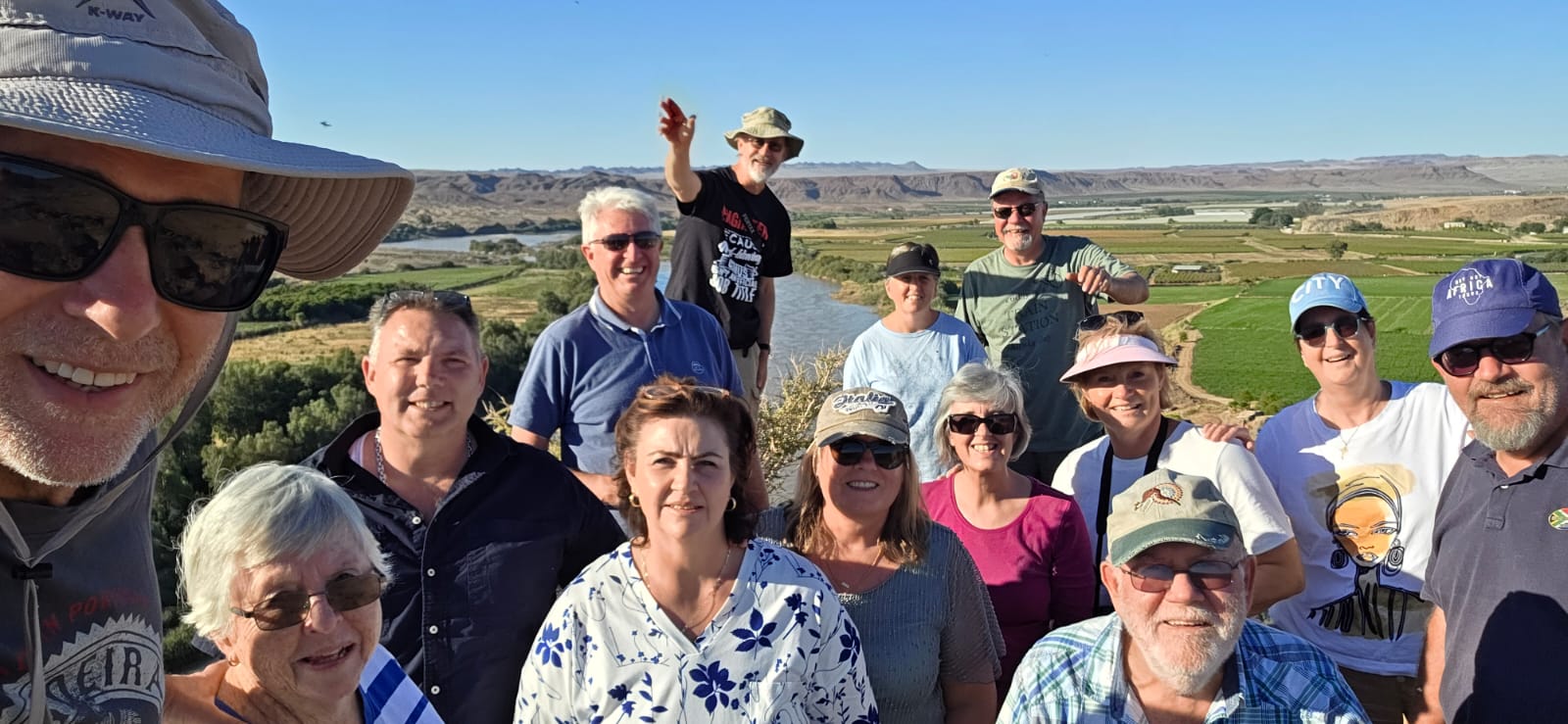
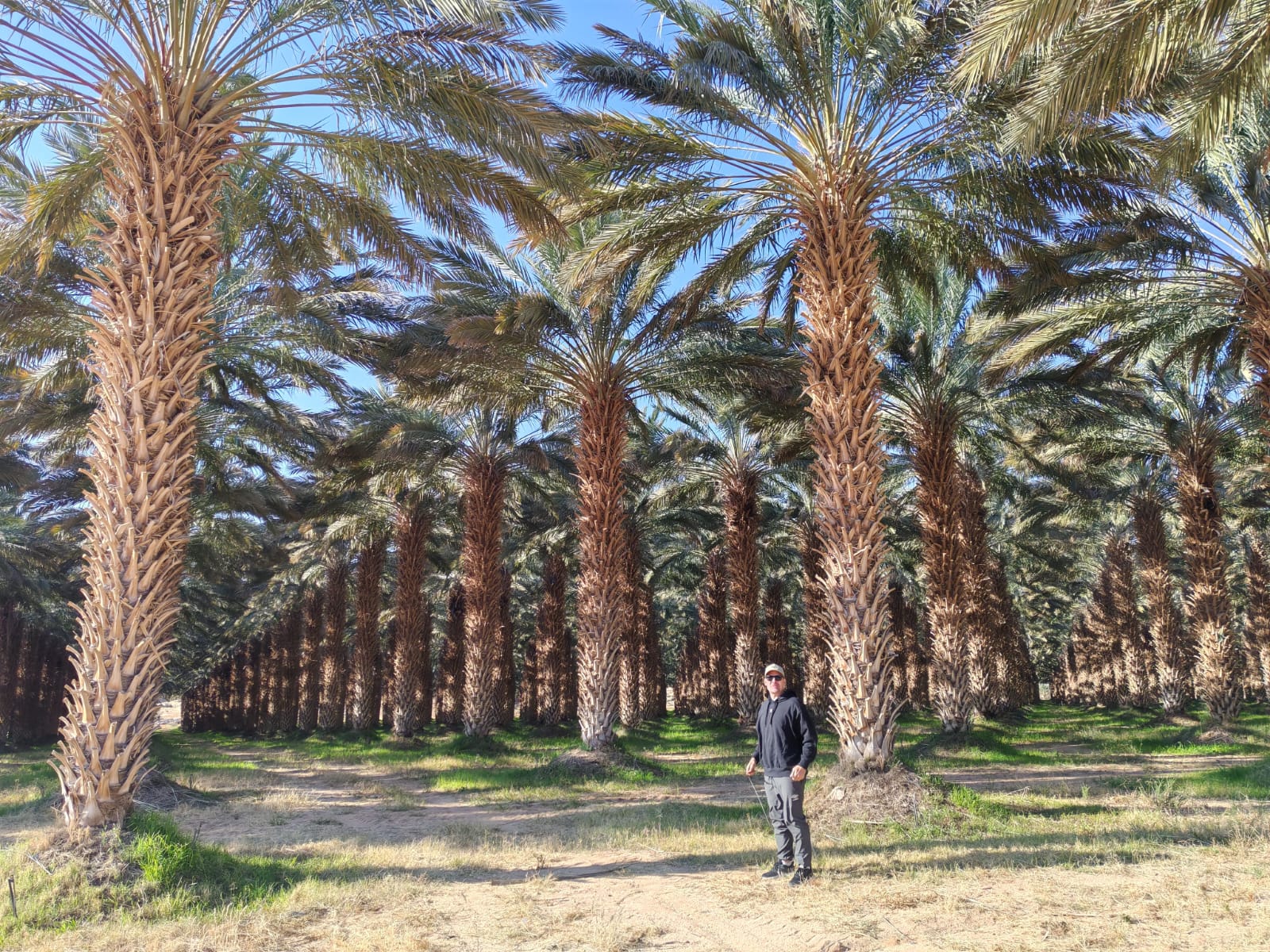
There is something very different about discovering South Africa from behind the wheel of your own 4x4.
You are not watching the landscape pass by through the window of a tour bus. You are not following somebody else's GPS route alone and hoping that the turn-off you just passed was not the one you were supposed to take. And you are certainly not restricted to the same highways and tourist stops that thousands of travellers visit every year.
A guided self-drive 4x4 tour sits somewhere between travelling independently and joining a traditional organised tour. You drive your own vehicle. You travel as part of a group. An experienced guide leads the journey. The route, stops and logistics have already been planned.
Instead of worrying about where the next track goes, where you are sleeping that evening or whether you have accidentally taken the wrong road into the middle of nowhere, you can concentrate on something far more enjoyable: the adventure itself.
For many people joining Why Not Africa Tours, it is their first experience of this kind of travel. Some have owned a 4x4 for years but have never really taken it somewhere remote. Others are comfortable travelling independently but would rather not tackle unfamiliar routes alone. And quite a few simply want to see parts of South Africa they would probably never discover on an ordinary holiday.
The term can sometimes be confusing because there are several different kinds of self-drive holidays. A traditional self-drive holiday usually means you receive an itinerary, hire or use your own vehicle and travel independently.
A guided self-drive tour is different. You still drive your own vehicle, but you travel as part of an organised convoy led by a guide.
Why Not Africa's tours are built around this model. Guests bring their own 4x4 while the route planning, guidance and support are handled as part of the organised experience.
Think of it as having the freedom of a road trip without having to organise every piece of the road trip yourself. You still get the enjoyment of driving. You still have your own vehicle, your own luggage and your own space. But somebody else has already spent the time figuring out where you are going.
The exact experience differs depending on the tour, but the basic principle is straightforward. You arrive with your vehicle, meet the other travellers and your guide, receive the necessary briefing and then travel together along the planned route.
Once the group leaves, the journey becomes part of the holiday. It is not simply transport between attractions. The road itself is often one of the attractions.
On Why Not Africa's West Coast lodge tour, for example, the journey combines sections of the West Coast, Namaqualand and Richtersveld with coastal scenery, sandy tracks, remote landscapes, historic towns and lodge accommodation.
On the Richtersveld camping experience, the environment changes completely. Travellers head into much more remote terrain with rugged mountain scenery, dry riverbeds, wilderness camps and genuine off-grid sections.
So although both are guided self-drive experiences, they offer very different styles of adventure.
One of the best things about this style of travel is that every day feels different. You might wake up beside the coast one morning and find yourself surrounded by enormous mountain landscapes the next.
A typical day may begin with breakfast and a short briefing before the convoy departs. From there, the route could include scenic gravel roads, sand tracks, mountain passes, small towns, national parks, viewpoints, local restaurants, historic sites, remote landscapes, photographic stops or places you might never have discovered on your own.
The idea is not to race from point A to point B. It is to experience everything between them.
There may also be times when the route or timing changes slightly. That is a normal part of travelling through remote areas. Road conditions, weather, accessibility and even what is happening locally can affect the day's journey. Sometimes those small changes are what create the best stories.
Generally, yes. The vehicles travel as a group rather than everybody disappearing in different directions. But you are not driving bumper-to-bumper like morning traffic on the N1.
The convoy system allows vehicles enough space while keeping the group connected. Communication and guidance are maintained throughout the journey.
Some Why Not Africa tours include two-way radios as part of the guided experience, particularly on remote itineraries such as the Richtersveld camping tour. That means the guide can communicate important information while travelling.
It might be something practical, such as reducing speed before a sandy section. It can also be a note to look to the right, stop ahead for photographs or get ready for a coffee stop in ten minutes.
That communication makes a surprising difference. Instead of simply following a vehicle, you become part of a moving group experience.
This is probably one of the most important questions people ask. The answer is: it depends on the tour.
Not every 4x4 tour is designed around hardcore off-road driving. Why Not Africa specifically describes its West Coast lodge experience as not an extreme 4x4 tour. Travellers can expect sand driving, remote tracks and longer travel days, but the experience is designed around adventure rather than extreme technical driving.
There is a huge difference between using a 4x4 to access beautiful remote places and trying to see whether your vehicle can climb an almost vertical rock face. Why Not Africa's focus is much more on the first. The 4x4 is a tool that allows you to reach places normal tourist routes may not.
Then you would certainly not be the first person. For many travellers, joining an organised tour is actually one of the most comfortable ways to gain experience.
Instead of trying an unfamiliar obstacle completely alone, you have guidance available and other vehicles around you. You can see how the vehicle ahead approaches a section. You can receive instructions. And you can gradually become more comfortable with what your vehicle can do.
The goal is not to make somebody prove how good they are at driving. The goal is to travel safely while enjoying the experience.
That is one of the significant benefits of travelling with a group. Things happen. Vehicles get stuck. Tyres lose pressure. People misjudge sand. Punctures happen. Mechanical issues occasionally happen.
There is an enormous psychological difference between having a problem alone in a remote area and having a problem while travelling with an organised convoy. Other vehicles are nearby. There is a guide. There is recovery equipment within the group. And there is a plan.
On the more remote Richtersveld camping experience, guests are specifically required to bring recovery gear, tyre equipment, sufficient fuel and a high-clearance 4x4 because of the nature of the terrain. The more remote the tour, the more self-sufficient you need to be.
This depends on the particular tour. A guided self-drive tour does not mean any vehicle will automatically be suitable.
Certain routes require a proper 4x4. Others may require good ground clearance. Some camping tours also require the vehicle to carry significantly more equipment.
For example, the Richtersveld camping itinerary specifies a high-clearance 4x4, sufficient fuel for remote sections and appropriate camping and recovery equipment.
Before booking any guided self-drive adventure, you should check the requirements of that specific tour. If you are unsure whether your vehicle is suitable, ask before booking. It is much easier to confirm beforehand than discover the answer halfway through a sandy track.
Not necessarily. This is another misconception. A 4x4 adventure does not automatically mean rough camping.
Why Not Africa offers different styles of self-drive travel. There are lodge-based tours, where you spend your days exploring and return to accommodation in the evening. There are camping tours, where the wilderness experience is deliberately part of the adventure.
Certain experiences combine additional activities, such as the West Coast flower tour that incorporates fat-tyre e-bikes alongside the guided 4x4 journey. The right tour depends much more on how you like to travel than whether you enjoy adventure.
Choose a lodge-based tour if you like a proper bed at night, a shower after a day on the road, meals being organised, a comfortable base after exploring and adventure during the day without giving up creature comforts.
The West Coast lodge tour is specifically designed around this balance, combining guided 4x4 travel with selected accommodation and meal stops.
Choose a camping tour if you like being properly off-grid, sleeping close to nature, campfires and stars, carrying your own camping setup, greater self-sufficiency and remote wilderness.
The Richtersveld camping itinerary is very deliberately positioned around this kind of experience, including wilderness camps, rooftop tents or camper setups and more remote terrain. Neither is better. They are simply different holidays.
You absolutely can. Independent travel is fantastic. For some travellers, researching every route, accommodation stop, restaurant, permit, fuel stop and attraction is half the fun.
But there are also people who would rather spend their holiday experiencing the destination instead of managing the logistics. And there are certain parts of South Africa where local knowledge makes a substantial difference.
A road might exist on Google Maps. That does not necessarily mean it is the road you want to take today. A restaurant might technically exist. That does not necessarily mean it is open. A flower-viewing area might have been spectacular last week. That does not mean it is the best place to go tomorrow.
Remote travel contains variables. Local knowledge helps manage those variables. That is one of the reasons guided travel can be particularly valuable in regions such as the West Coast, Namaqualand and Richtersveld.
You are not simply paying somebody to drive in front of you. A properly organised guided self-drive tour involves a large amount of work before the first vehicle even starts its engine.
There is route planning, accommodation coordination, activity planning, meal arrangements, guest communication, vehicle requirements, permits and applicable access arrangements, group logistics, timing, contingency planning, destination knowledge and then the actual guiding itself.
A good tour should make all of that complexity feel relatively invisible to the guest. You arrive. You know where you need to be. And then the adventure begins.
This is often another hidden concern. People may wonder what happens if they do not know anybody. That is completely normal. Most people do not.
But something interesting happens when a group travels together for several days. You see the same faces every morning. You stop for coffee together. Somebody gets stuck and everybody watches the recovery. You sit around the same dinner table. You laugh about something that happened earlier in the day.
People begin helping one another. Before very long, the group no longer feels like a collection of strangers. For many guests, that becomes one of the unexpected highlights.
No. Adventure does not have to mean suffering. Some people hear 4x4 tour and imagine mud, winches, broken suspension, sleeping on rocks and eating beans out of a tin. That can certainly be somebody's idea of a great holiday, but it is not the only way to travel by 4x4.
The appeal of a guided self-drive journey is that the vehicle allows you to go beyond the ordinary tourist route. You can follow beaches, cross sandy tracks, travel through mountain landscapes, visit tiny communities, reach viewpoints that buses cannot and explore remote areas.
On the right itinerary, you can still enjoy a seafood lunch, glass of wine or comfortable lodge at the end of the day. Why Not Africa's West Coast lodge tour intentionally combines off-road and scenic driving with accommodation, meals and regional experiences. It is adventure without pretending comfort is a bad thing.
South Africa's West Coast changes dramatically as you travel north. Fishing villages become long stretches of coastline. Busy roads become quieter roads. The landscape becomes increasingly open. The distances between communities begin to grow.
Eventually, the environment starts feeling very different from the Cape Town most visitors know. A guided 4x4 journey allows you to experience that transition gradually.
Why Not Africa's lodge route begins in Paternoster and travels north through the West Coast and Namaqualand towards the Richtersveld region. That progression is part of what makes the route special. You are not teleporting from attraction to attraction. You experience the geography changing beneath your wheels.
Most people immediately associate Namaqualand with flowers, and understandably so. During favourable conditions, the seasonal displays can be extraordinary.
But Namaqualand is much more interesting than a single photograph of flowers. There are enormous landscapes, small communities, old mining towns, rock formations, dirt roads disappearing towards distant mountains, remarkable plant life and a scale that is difficult to appreciate until you are standing inside it.
Why Not Africa operates several Namaqualand-focused journeys, including flower and cultural experiences as well as guided routes through the region. The flowers might bring somebody to Namaqualand for the first time. The region itself is often what makes them want to return.
The Richtersveld feels different again. The landscape becomes harsher, more dramatic and more isolated. Mountains rise out of desert valleys. Roads wind between enormous geological formations. Vegetation somehow survives in conditions that appear almost impossible. Human activity begins to feel very far away.
The Richtersveld camping journey operated by Why Not Africa travels through areas including Tierhoek, De Hoop, Kokerboom Kloof and deeper sections of the Richtersveld landscape. It is the kind of place where the silence itself becomes part of the experience.
Every tour has its own packing requirements, so the tour-specific information should always be your primary reference.
Your starting checklist will usually include a suitable vehicle, valid driver's licence, appropriate tyres, recovery equipment where required, tyre pressure gauge and compressor, enough fuel for the planned route, drinking water, personal medication, sun protection, warm layers, comfortable clothing, camera or phone, charging cables and power banks, and any camping gear required for the specific itinerary.
For lodge-based tours, the packing list is usually lighter because accommodation and many meals are arranged. For camping tours, you need to think more carefully about sleeping arrangements, cooking equipment, water, food storage and vehicle organisation.
The important thing is not to guess. Read the tour information carefully. Ask questions before departure. And make sure your vehicle and equipment match the type of journey you are joining.
A guided self-drive 4x4 tour is not a luxury coach holiday. It is also not a race. It is not a technical driving competition. And it is not the kind of trip where every minute can be controlled perfectly.
You should expect dust. You should expect longer days on the road. You should expect early mornings. You should expect places where signal is limited or unavailable. You should expect the occasional change of plan. You should expect your vehicle to look like it has been somewhere.
Honestly, that is part of the point. The reward is not only the destination. It is the feeling of having travelled through the landscape properly.
A guided self-drive 4x4 tour is ideal for people who want more than a normal holiday, but who do not necessarily want to plan a remote trip completely alone.
It suits couples, friends, travellers who enjoy road trips, people who like nature, scenery and open spaces, photographers, South Africans who want to rediscover their own country, international guests who want a more grounded and authentic travel experience, and 4x4 owners who would like to use their vehicles for what they were built to do.
You do not need to be the loudest person at the campfire. You do not need to be an expert mechanic. You do not need to be a professional off-road driver. You simply need to enjoy the idea of travelling with a group, following a beautiful route and being open to the kind of moments that happen when the tar road runs out.
Because some places are better experienced slowly. Some landscapes do not reveal themselves from a highway. Some destinations only begin to make sense when you have driven through the quiet spaces between towns.
A guided self-drive tour gives you structure without taking away the feeling of discovery. You still wake up and climb into your own vehicle. You still feel the road beneath you. You still make the journey yourself. But you do it with the benefit of route planning, group support and a guide who understands the experience.
That combination is what makes this style of travel so appealing. It is independent, but not isolated. It is adventurous, but not reckless. It is organised, but not stiff. And it gives you the chance to experience South Africa in a way that feels personal, grounded and memorable.
A guided self-drive 4x4 tour is not just about getting from one place to another. It is about the conversations at breakfast before the convoy leaves. The dust rising behind the vehicle ahead. The moment the road opens into a view you did not expect.
It is the quiet stop where nobody says much because the landscape is doing all the talking. The relief of knowing you are not alone when the track becomes unfamiliar. The fun of learning what your vehicle can do. The comfort of arriving at the end of the day with stories to share.
For some people, it becomes their first proper taste of 4x4 travel. For others, it becomes a new way to explore a country they thought they already knew.
Either way, a guided self-drive 4x4 tour offers something that ordinary travel often struggles to provide: freedom with support, adventure with structure, and the chance to discover places that are still best reached by road, patience and a sense of curiosity.
If you like the idea of driving your own 4x4, travelling with a small group, exploring remote landscapes and letting someone else handle the route planning, then a guided self-drive 4x4 tour may be exactly the kind of adventure you have been looking for.
These guided routes show three very different ways to experience South Africa beyond the tar road.
Coastal villages, Namaqualand landscapes and guided 4x4 travel, with comfortable accommodation waiting each evening.
View this tour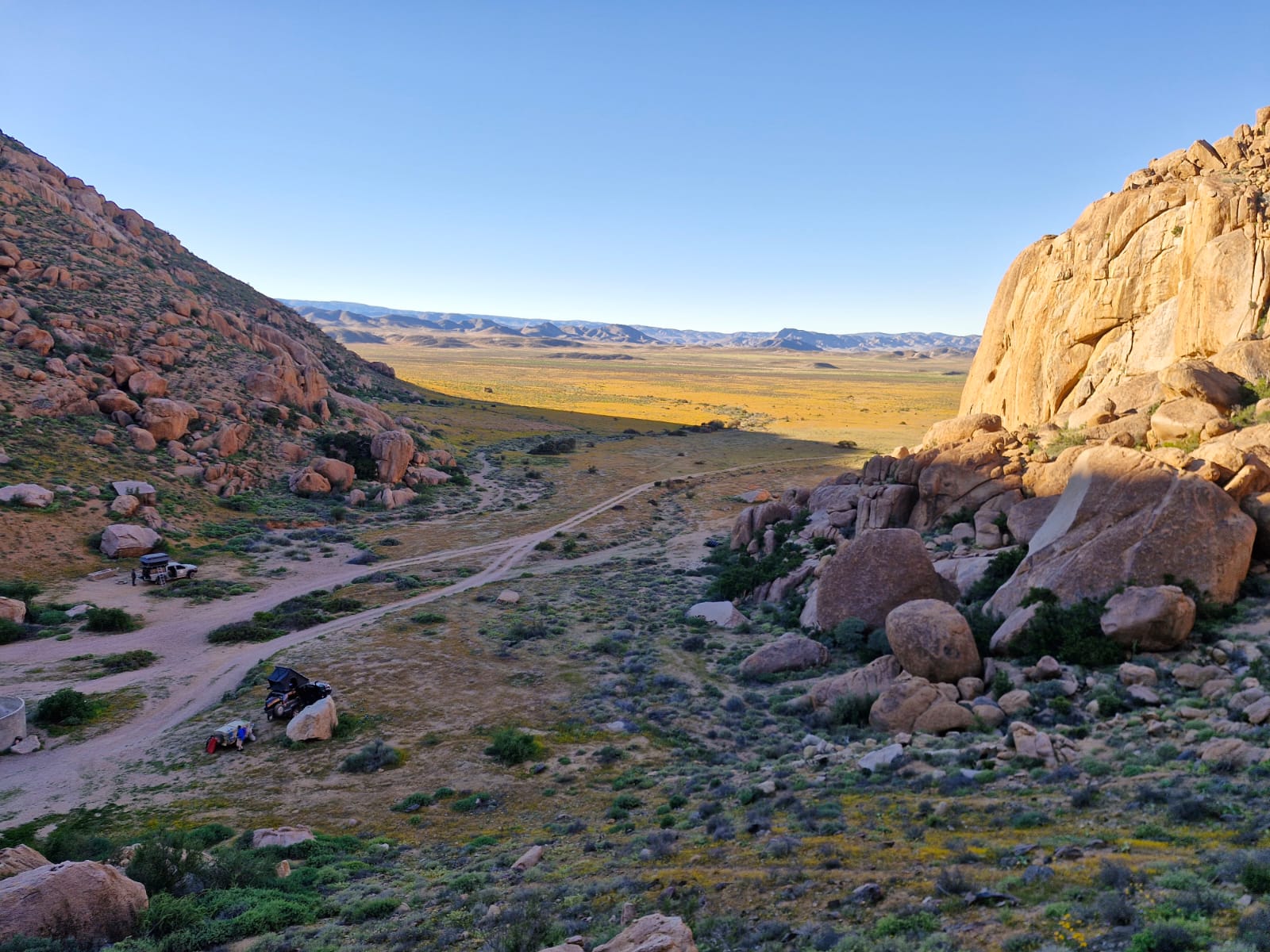
Remote mountain passes, Orange River camps and proper wilderness travel beneath the desert sky.
View this tour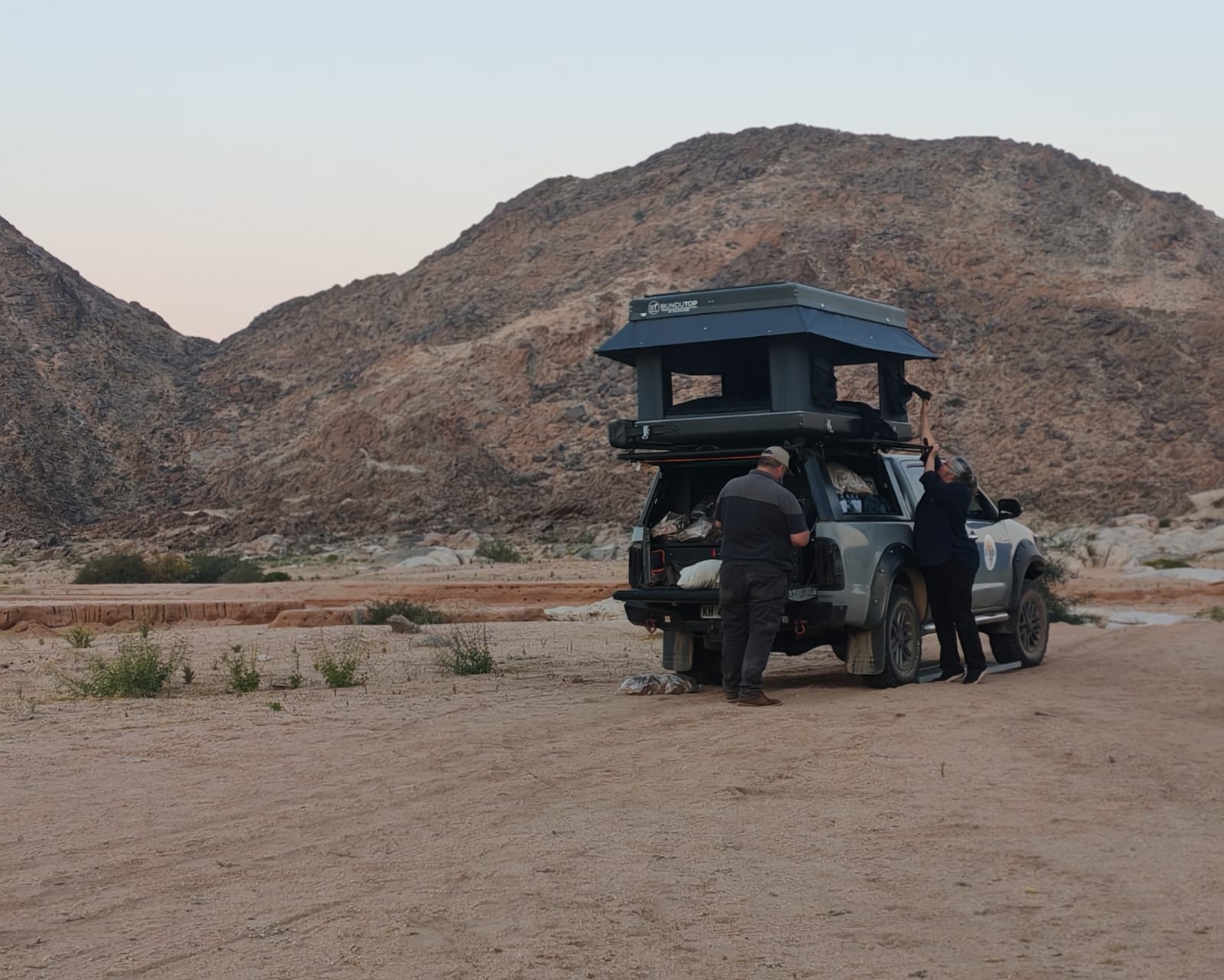
A longer route through Namaqualand and the Richtersveld, finishing on the Atlantic Coast at Port Nolloth.
View this tourAdventure by day. A proper bed, meals and comfort at night.
Remote wilderness, self-sufficiency and campfire stories.
The landscape is the point. The 4x4 simply helps you reach it properly.
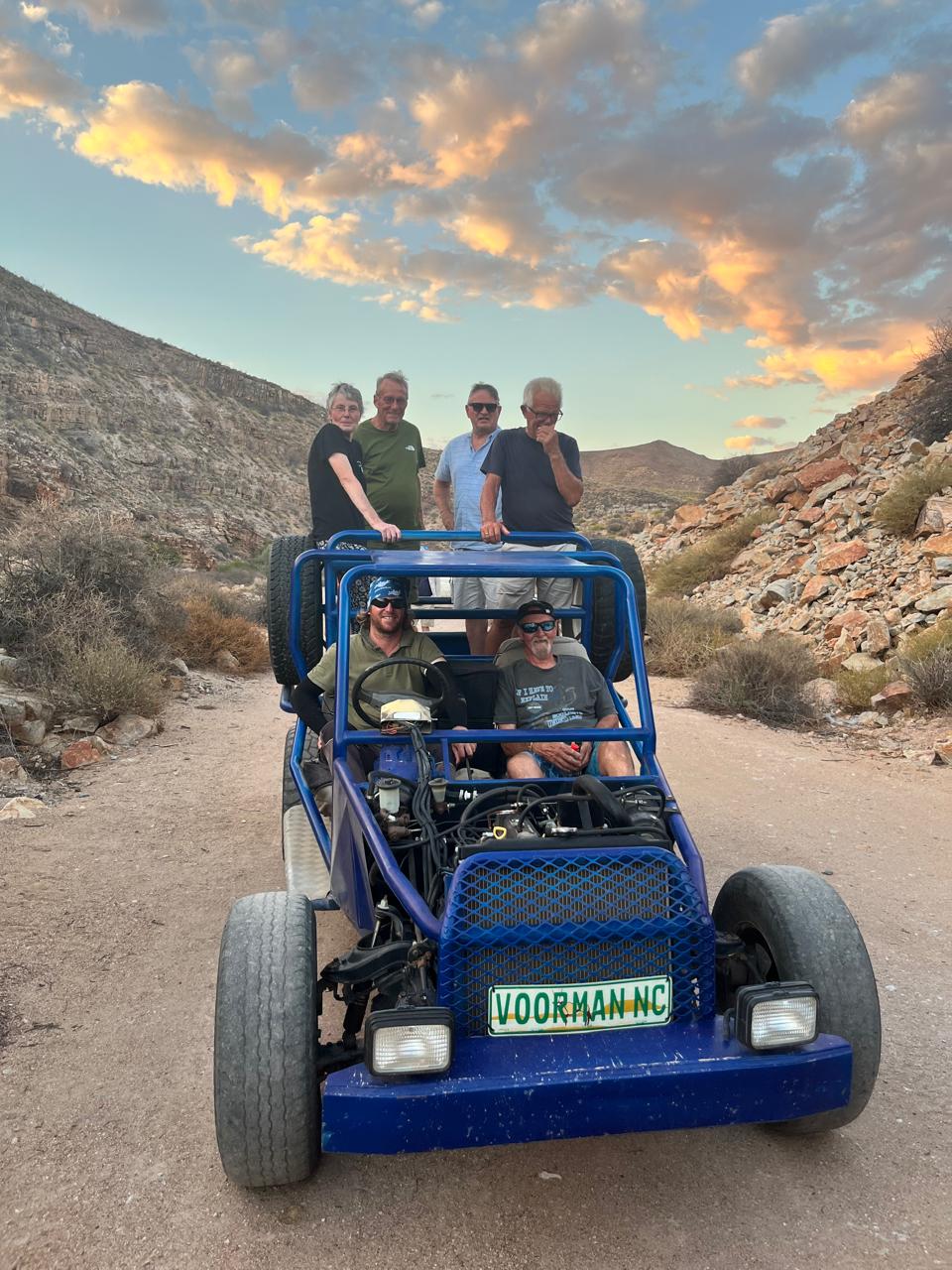
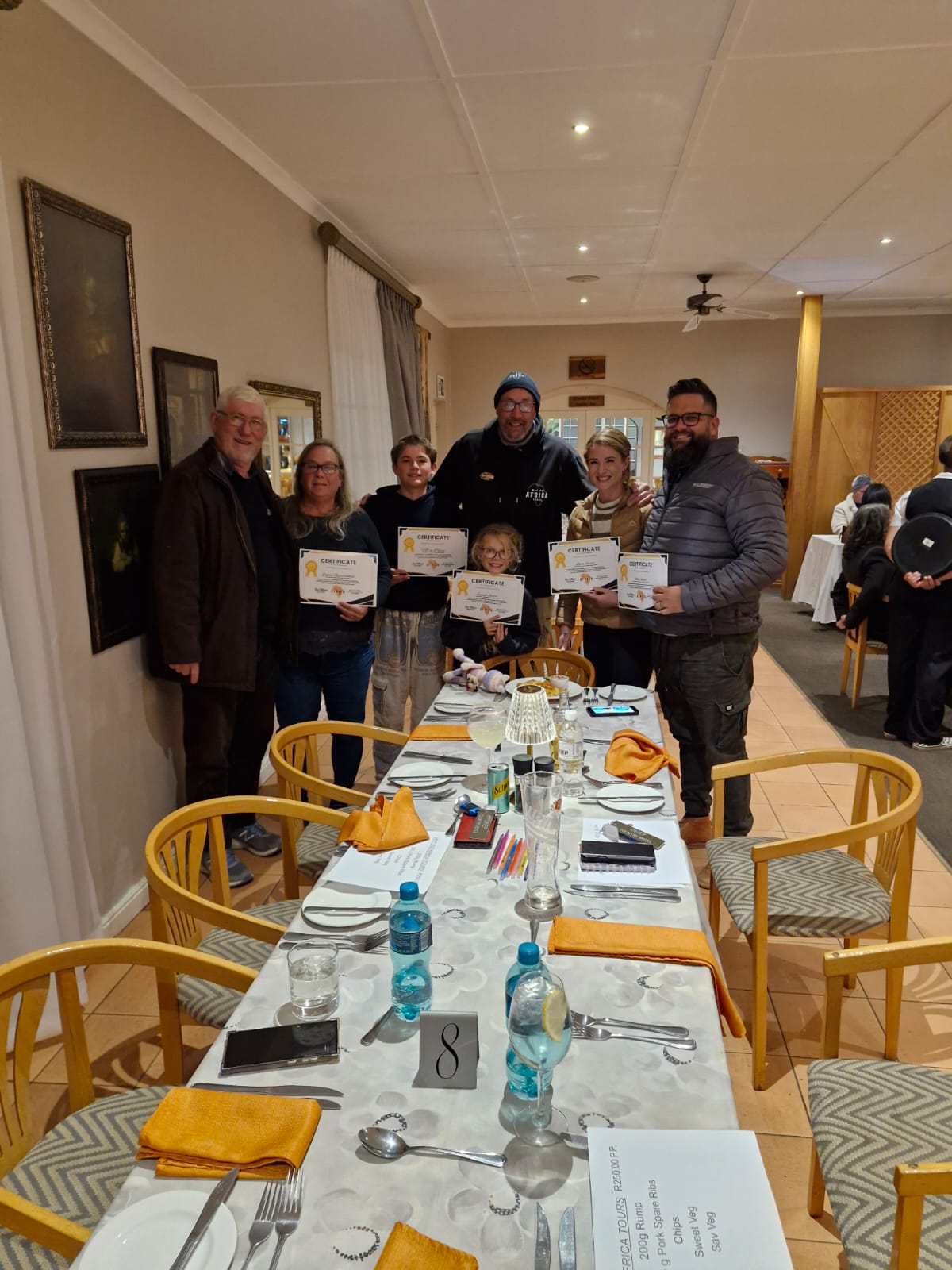
Some Why Not Africa Tours experiences also include memorable local stops, shared activities and those unexpected moments that become the stories everyone talks about afterwards.
Epic places, great people and the freedom to drive your own adventure.
A guided self-drive 4x4 tour is an organised travel experience where you drive your own 4x4 vehicle as part of a group, while an experienced guide leads the route. You enjoy the freedom of driving yourself, but the planning, route guidance and group support are built into the experience.
Yes. On a self-drive tour, you travel in your own vehicle. You are responsible for your vehicle, luggage and personal items, while the guide leads the convoy and manages the planned route.
It depends on the specific tour. Some routes are suitable for people with limited 4x4 experience, while more remote camping routes may require greater confidence, better preparation and a properly equipped vehicle.
Not exactly. A guided self-drive group tour is usually a scheduled experience where several vehicles travel together on a planned itinerary. A private guide is normally arranged for a custom route or private group.
In many cases, yes, but that does not always mean extreme off-road driving. The route may include gravel roads, sandy tracks, remote roads and occasional more technical sections depending on the itinerary.
One of the advantages of travelling in a guided convoy is that help is nearby. The guide and other vehicles can assist, and recovery equipment may be used where necessary.
The required vehicle depends on the route. Some tours require a high-clearance 4x4, while others may be suitable for a broader range of capable vehicles.
Yes. The group generally travels together in convoy, with enough space between vehicles for safe driving. On some tours, two-way radios are used so the guide can communicate route information and stopping points.
Not always. Why Not Africa offers different types of experiences, including lodge-based tours and camping tours.
This depends on the specific itinerary. Some tours include selected meals, restaurant stops or lodge arrangements, while camping routes may require guests to bring and prepare more of their own food.
Yes. This style of travel is very well suited to couples who enjoy road trips, scenery, nature and shared adventure.
Solo travellers may be able to join depending on the tour and vehicle arrangements. The main consideration is whether the traveller has a suitable vehicle and is comfortable driving the route.
Many guided self-drive tours can suit older travellers, especially lodge-based routes where comfort is part of the experience. The important factor is choosing the right itinerary for your comfort level, mobility and preferred style of travel.
Not always. Remote areas such as parts of Namaqualand and the Richtersveld may have limited or no cellphone reception.
Before booking, check the route difficulty, vehicle requirements, accommodation type, meal inclusions, fuel expectations, recovery gear requirements, daily driving distances and whether the tour style matches how you like to travel.
For travellers who want to explore beyond ordinary tourist routes without planning every detail themselves, a guided self-drive 4x4 tour can be extremely worthwhile.